
Cupping Therapy for Muscle Pain: 7 Benefits You Should Know
Are you struggling with persistent muscle pain, back stiffness, shoulder tightness or muscle knots? Cupping therapy is a complementary soft tissue treatment technique used in physiotherapy to help manage certain types of muscular discomfort and movement restrictions.
If you are searching for cupping therapy in Whitefield, Bangalore, understanding its benefits, applications and treatment process can help you make an informed decision.
At Wellkind Physio Care, we focus on individual physiotherapy assessments and personalised treatment approaches to address muscle pain, joint stiffness and movement-related problems.
What Is Cupping Therapy and How Does It Work?
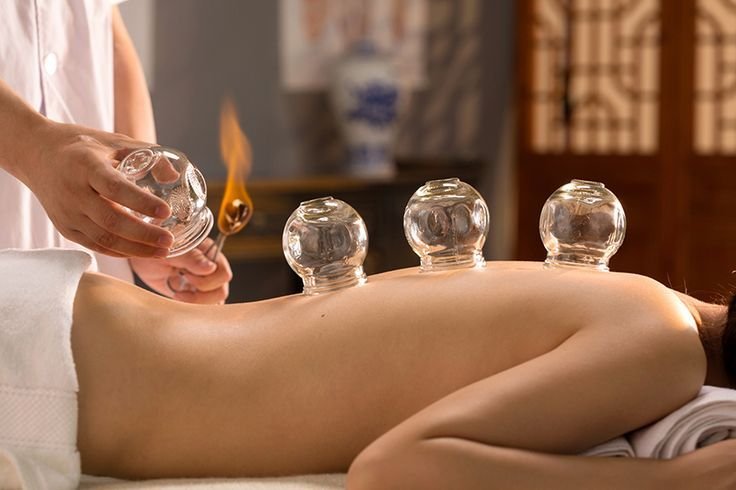
Cupping therapy is a therapeutic technique that uses specially designed cups to create suction on the skin. This negative pressure gently lifts the skin and underlying superficial tissues.
In physiotherapy, dry cupping may be incorporated into a treatment programme to address muscular discomfort, tightness and soft tissue mobility.
Depending on your condition, a physiotherapist may combine cupping with manual therapy, trigger point release, stretching and strengthening exercises.
7 Potential Benefits of Cupping Therapy
1. Helps Manage Muscle Tightness
Muscle tightness can develop due to prolonged sitting, repetitive movements, physical activity and muscular overuse. Cupping may provide short-term relief from muscular discomfort in some individuals.
2. Supports Lower Back Pain Management
Lower back discomfort can affect daily activities, sitting tolerance and mobility. Cupping may be considered as an additional technique for selected patients with muscular lower back pain.
3. Helps Address Neck and Shoulder Tension
Long working hours, computer usage and poor movement habits can contribute to neck and shoulder discomfort. Cupping may be combined with mobility exercises and manual therapy.
4. Complements Sports Recovery
Athletes and physically active individuals sometimes use cupping for exercise-related muscular soreness. Appropriate recovery, strengthening and rehabilitation remain essential.
5. Supports Soft Tissue Treatment
Cupping creates a lifting sensation in the treated tissues and may be used alongside other soft tissue techniques.
6. May Help Improve Short-Term Pain and Discomfort
Some individuals experience temporary improvement in pain and movement following cupping. Results vary, and scientific evidence remains limited for many claimed benefits.
7. Complements Personalised Physiotherapy
Cupping is not a standalone cure. When appropriate, it can be included in a comprehensive physiotherapy programme based on individual assessment.
Which Conditions May Benefit from Cupping Therapy?
Following an appropriate clinical assessment, cupping may be considered as a complementary treatment for selected patients experiencing:
- Neck and shoulder muscle tightness
- Lower back muscular discomfort
- Upper back stiffness
- Myofascial pain
- Muscle tenderness and tightness
- Sports-related muscle soreness
- Muscular discomfort associated with prolonged sitting
- Soft tissue mobility restrictions
The suitability of cupping depends on the underlying condition and individual health factors.
Cupping Therapy vs Trigger Point Release Therapy
Both techniques are used in soft tissue management, but their approaches are different.
Cupping Therapy: Uses controlled suction to lift the skin and superficial tissues.
Trigger Point Release Therapy: Uses targeted pressure or other techniques to address sensitive areas within muscles.
A physiotherapist may recommend one or both techniques depending on the assessment findings.
Explore our physiotherapy services at Wellkind Physio Care to understand the treatment options available.
Dry Cupping vs Wet Cupping: What Is the Difference?
Dry Cupping
Dry cupping uses suction cups without making cuts or incisions in the skin. It is commonly used as a complementary soft tissue technique.
Wet Cupping
Wet cupping, also called Hijama, involves superficial skin incisions and blood removal. It carries additional risks, including bleeding and infection.
These are different procedures and should not be confused.
Does Cupping Therapy Leave Marks?
Yes. Cupping can leave temporary circular red, purple or darker marks on the skin. These marks result from suction-related changes in small blood vessels.
They are not evidence of toxins being removed from the body.
Some people may experience temporary tenderness, soreness or skin irritation.
Who Should Avoid Cupping Therapy?
Cupping may not be suitable for everyone. Medical advice or additional precautions are important for individuals with:
- Bleeding disorders
- People taking blood-thinning medications
- Active skin infections
- Open wounds or fragile skin
- Significant circulation problems
- History of deep vein thrombosis
- Pregnancy
Always consult a qualified healthcare professional before undergoing treatment if you have an underlying medical condition.
Where Can You Get Cupping Therapy in Whitefield, Bangalore?
Searching for cupping therapy near me, muscle release therapy in Thubarahalli or physiotherapy for muscle pain in Whitefield?
Wellkind Physio Care provides physiotherapy-focused care for people experiencing muscular discomfort, back pain, neck stiffness and movement restrictions.
Our clinic serves patients from:
- Thubarahalli
- Whitefield
- Varthur
- Kundalahalli
- Brookefield
Our treatment approach may include manual therapy, trigger point release, mobility exercises, strengthening and other rehabilitation techniques depending on your clinical requirements.
Frequently Asked Questions About Cupping Therapy
1. Is cupping therapy effective for muscle pain?
Cupping may provide short-term relief for some individuals experiencing muscular discomfort. Results vary, and it should complement an appropriate rehabilitation programme.
2. Can cupping therapy help lower back pain?
It may be considered as an additional treatment for selected cases of muscular lower back discomfort. A physiotherapist should assess the cause of pain first.
3. How many cupping therapy sessions are required?
There is no fixed number. The treatment plan depends on your symptoms, assessment findings and response to treatment.
4. Is cupping therapy painful?
Most individuals describe a pulling or tight sensation. Excessive pain is not expected, and suction should be adjusted appropriately.
5. Can cupping therapy be combined with trigger point release?
Yes. When clinically appropriate, both techniques may be incorporated into a physiotherapy treatment programme.
6. Is cupping therapy suitable for everyone?
No. Certain medical conditions, medications and skin problems may make cupping unsuitable. An individual assessment is important.
Book Your Physiotherapy Assessment at Wellkind Physio Care
Don’t ignore persistent muscle tightness, back discomfort or shoulder stiffness.
Get an appropriate physiotherapy assessment and understand which treatment options may suit your condition.
Wellkind Physio Care – Physiotherapy and Pain Management Clinic
Serving Thubarahalli, Whitefield, Varthur, Kundalahalli and Brookefield, Bangalore.
Call: 8147784950 CUPPING THERAPY IN THUBARAHALLI
WhatsApp: https://wa.me/918147784950
Website: https://wellkindphysio.in/
Explore More:
- Home Physiotherapy in Thubarahalli: https://wellkindphysio.in/home-physio-care-in-thubarahalli-bangalore/
- Wellkind Physio Care: https://wellkindphysio.in/